

Applying the 0% tax rate has always been a key objective for export enterprises to optimize costs, enhance international competitiveness, and ensure operational cash flow. However, tax audit practices in recent years have shown that many businesses have faced tax reassessments amounting to billions of VND, or even lost their right to tax refunds, simply due to a lack of clear understanding of the conditions for this preferential tax rate. Article 18 of Decree 181/2025/ND-CP provides detailed regulations, but without a firm grasp of each provision, enterprises may easily overlook the ‘golden conditions’ that safeguard their legitimate interests.

1. The Contract – The Most Critical Legal Foundation
The first and most essential condition for exported goods is the contract. This document is not merely a tax formality but also the legally binding instrument between a Vietnamese enterprise and its foreign partner or an entity in a non-tariff zone. The contract must clearly specify the goods description, quantity, price, delivery terms, and payment method. For export processing contracts, the agreement must detail the material consumption norms, responsibilities for product delivery and receipt, and regulations on waste and defective products. In the case of export consignment, the consignment contract must both prove the commercial relationship and clarify the tax declaration and payment obligations between the consignor and the consignee. Errors or omissions in the contract are among the most common reasons for tax authorities to deny the 0% tax rate and impose the standard 10% rate instead.
2. Non-Cash Payment Documentation – The “Ticket” to Preferential Treatment
Non-cash payment is a mandatory requirement to substantiate the authenticity of a transaction. Receiving cash, using ineligible intermediaries, or submitting payment documents that do not match the contract value may result in expense disallowance or denial of the 0% tax rate. In practice, many export enterprises have been denied tax refunds because their customers made payments through third parties without proper documentation proving the nature of the payment on behalf of the customer.. Decree 181/2025/ND-CP has tightened these regulations to prevent VAT fraud, requiring tax accountants to rigorously verify that all payments are processed through Banks, or legally recognized payment intermediary service providers, or Other legally permitted payment methods.
3. Customs Declaration – An indispensable proof of exportation
A valid export customs declaration serves as the definitive evidence that goods have physically exited the territory of Vietnam. In cases of on-the-spot exportation, enterprises must retain both the on-the-spot export and import declarations, ensuring that the information recorded on both sides – exporter and importer – is fully consistent. Numerous enterprises have been subjected to administrative penalties due to incorrect declarations of HS codes, export types, or missing customs clearance documents. Close coordination among the export-import department, logistics team, and tax accounting personnel is essential to minimize these risks – particularly in the current context where tax authorities are intensifying post-refund audits.
4. Export Services and the Challenge of Proving Consumption Outside Vietnamese Territory
For exported services, the contract must clearly identify the purchaser as a foreign individual or organization, or an entity located within a non-tariff zone, and must also provide evidence that the service is consumed outside the territory of Vietnam. Non-cash payment documentation remains a mandatory condition. In practice, enterprises operating in the fields of IT, design, marketing, and software outsourcing frequently encounter difficulties when contracts fail to specify the place of service consumption or omit key information such as IP addresses, billing addresses, or the foreign client’s place of residence. These omissions constitute critical vulnerabilities that allow tax authorities to deny the application of the 0% VAT rate at any time – particularly during targeted audits on exported services.
5. International Transport and the specifics of individual passenger payments
International transport operations have unique characteristics: the contract for carriage of goods, passengers or baggage serves as the legal basis for applying the 0% tax rate. For passengers, air tickets or train tickets constitute the transport contract. However, when customers are individuals, the law permits direct cash payments instead of requiring non-cash payments. This flexibility can be confusing, particularly for new accountants, and failure to comply strictly with regulations may lead to incorrect tax declarations, tax recovery demands, or denial of input VAT deductions.
6. Aviation Services – When Service Requests Substitute for Contracts
In the aviation industry, businesses do not always maintain long-term service contracts. For non-recurring services such as landing/take-off operations, aircraft pushback/towing, and ground handling, transactions are often based solely on service requests from foreign airlines. While tax regulations permit the use of service requests instead of formal contracts, businesses must still provide non-cash payment documentation to qualify for the 0% tax rate. For aircraft maintenance services specifically, aircraft brought into Vietnam must complete temporary import for re-export procedures to be eligible for the 0% rate. This frequently overlooked requirement poses significant tax risks and can directly impact project profitability.
7. Maritime Services – Caution Required for Temporary Import/Re-export Procedures in Ship Repairs
Similar to the aviation sector, maritime services such as ship towing, pilotage, cargo handling, and rescue operations are eligible for the 0% VAT rate, provided there is either a contract or a service request from a foreign organization or shipping agent, accompanied by valid non-cash payment documentation. In particular, where enterprises provide ship repair services, the vessel must undergo temporary import for re-export procedures. Failure to comply with this requirement will not only disqualify the enterprise from applying the 0% VAT rate but will also subject the service to the standard 10% rate – substantially increasing costs, reducing profit margins, and undermining international competitiveness.
8. Compliance Solutions and VAT Optimization for Export Enterprises
Article 18 of Decree No.181/2025/ND-CP serves not merely as procedural guidance for VAT compliance, but as a legal safeguard protecting legitimate businesses. A proper understanding, full compliance, and the maintenance of valid documentation enable businesses to avoid retrospective tax assessments, preserve their entitlement to VAT refunds, and maintain credibility with global partners. To ensure compliance and mitigate tax risks, each enterprise should establish an internal control process specifically for 0% VAT documentation, provide regular training for tax accounting personnel and seek consultation from VAT attorneys or tax experts—especially in complex business sectors such as logistics, international transportation, maritime and aviation services, and technology-related exported services.
Time of writing: 03/07/2025
The article contains general information which is of reference value, in case you want to receive legal opinions on issues you need clarification on, please get in touch with our Lawyer at info@cdlaf.vn
Why choose CDLAF’s service?
- We provide effective and comprehensive legal solutions that help you save money and maintain compliance in your business;
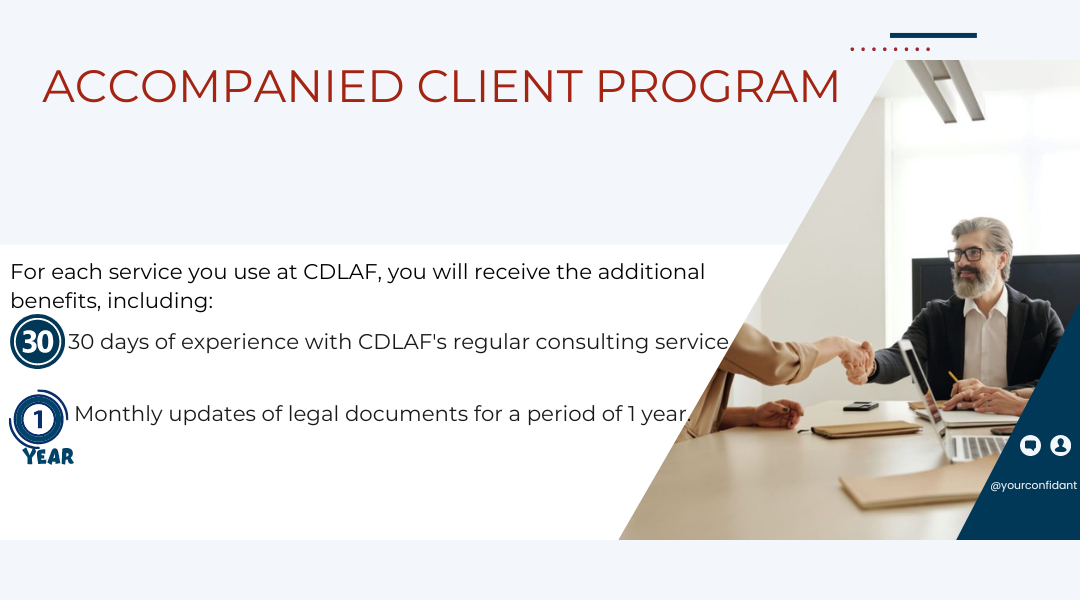
- We continue to monitor your legal matters even after the service is completed and update you when there are any changes in the Vietnamese legal system;
- Our system of forms and processes related to labor and personnel is continuously built and updated and will be provided as soon as the customer requests it;
- As a Vietnamese law firm, we have a thorough understanding of Vietnam’s legal regulations, and grasp the psychology of employees, employers, and working methods at competent authorities;
- CDLAF’s team of lawyers has many years of experience in the field of labor and enterprises, as well as human resources and financial advisory.
- Strict information security procedures throughout the service performance and even after the service is completed.
You can refer for more information:
-
-
-
- Importing Cybersecurity Equipment: Mandatory Regulations and Risk Avoidance Strategies
- Authority Distribution in Joint Stock Companies: Who Truly Holds Executive and Decision-Making Power?
- Establishing a Company in an Export Processing Zone: Legal Framework, Incentives, and Obligations for Foreign Investors
-
-