

In the progress of expanding business operations and integrating into the global market, many Vietnamese enterprises as well as foreign-invested companies choose foreign loans as a strategic channel for capital mobilization. However, unlike domestic commercial loans, borrowing from foreign institutions or partners is strictly regulated by laws on foreign exchange management and national financial security. A loan that may appear advantageous in terms of interest rates or disbursement conditions could, if not carried out in compliance with legal procedures, turn into legal, tax, and reputational risks for the enterprise itself.
Thus, how can a foreign loan both meet capital needs while remaining legally compliant and secure? This is not merely a technical legal question, but a matter of survival in the financial strategy of every major enterprise.

1. What is a foreign loan?
A foreign loan is understood as a loan established between the Borrower and the Lender, in which the Borrower is any enterprise receiving credit from the Lender who is a Non-resident through the conclusion and performance of foreign loan agreements in the form of loan contracts, deferred payment sales contracts, entrusted loan contracts, financial lease contracts, or the issuance of debt instruments by the Borrower.
Accordingly, the enterprise must first determine that the lender qualifies as a Non-resident in accordance with the definition and guidance provided under tax laws. This is the key factor in determining whether the loan constitutes a foreign loan. In essence, a foreign loan is a form of self-borrowing and self-repayment of foreign debt, whereby the Government only supervises the use of the loan, reporting obligations, and the repayment of such foreign loan.
A Vietnamese enterprise acting as the Borrower, when undertaking foreign borrowing and repayment, must comply with the conditions on foreign borrowing and repayment; carry out loan registration; open and use accounts; make disbursements and debt repayments; and report on the loan performance in accordance with the regulations of the State Bank of Vietnam. The State Bank of Vietnam shall confirm the loan registration within the limit of annual commercial foreign borrowing approved by the Prime Minister. Particularly, foreign loans under the form of deferred payment for imports, on a self-borrowing and self-repayment basis, must comply with foreign exchange management policies, trade policies, and other relevant legal provisions.
Accordingly, the first factor to ensure the legality of a foreign loan is that the enterprise fully understands the nature of the loan transaction and the form of borrowing. On that basis, the next step is for the enterprise to clarify the purpose of the loan and the intended loan term. These two factors — the loan purpose and the intended loan term — will determine the reporting obligations that the enterprise must fulfill throughout the progress of the foreign borrowing.
2. Purpose and Term of foreign loan – factors determining registration obligation
As mentioned above, the purpose of foreign loans is the plan to use the loan, which will be recorded in the loan agreement, on the loan report, loan registration file and another important point that many enterprises do not pay attention to is the actual use of the loan. Accordingly, not only self-declaration and self-responsibility, but the management agency still controls the actual use of the loan by the business, this will be the basis for controlling the repayment of the loan or converting the foreign loan into capital or offsetting the debt.
Accordingly, the Borrower is only allowed to use short-term foreign loans to restructure foreign debts and pay short-term debts payable in cash (excluding principal debts of domestic loans) of the Borrower. Short-term debts payable specified in this Clause are debts arising in the process of implementing investment projects, production and business plans, other projects of the Borrower and are determined based on the provisions of current laws guiding the enterprise accounting regime. For other borrowing purposes including: Implementing investment projects of the Borrower; Implementing production and business plans, other projects of the Borrower; Restructuring foreign debts of the Borrower, the parties must establish medium and long-term loans.
The purpose of the loan will also be related to the loan term as shared above, accordingly, in the case of a short-term loan, the foreign loan term will be less than 1 year. In the case of a medium and long-term loan, the foreign loan term will be over 1 year, including the case of converting a short-term loan into a medium and long-term loan. Please note that, depending on the type of loan, the obligations related to administrative procedures in loan management will also be different.
3. Practical use of foreign loans
In addition to considerations regarding the loan purpose, loan term, and the plan for utilizing the foreign loan, the Vietnamese enterprise — as the Borrower — must pay special attention to several important aspects concerning the use of foreign loan proceeds, as follows:
The use of foreign loans must be consistent with the scope of the enterprise’s registered business lines, the scope of the Establishment License, Investment Certificate, Investment Registration Certificate, Approval of Investment Guidelines, Certificate of Cooperative or Union of Cooperatives Registration, or other equivalent documents as prescribed by law; and must also comply with the scope of other lawful activities as stipulated in the prevailing legal instruments governing the charter of organization and operation of the Borrower.
At the stage of registering medium- and long-term loans, as well as during loan repayment or loan conversion, the foreign borrower, in certain cases, must substantiate the purpose of the foreign loan through: the Investment Certificate, Investment Registration Certificate, or Approval of Investment Guidelines as required by investment laws and other relevant legal provisions, in the case of foreign borrowing for the implementation of the borrower’s investment project; a plan for the use of foreign loan proceeds in the case of foreign borrowing to carry out the borrower’s business plan, production plan, or other projects; and a debt restructuring plan in the case of foreign borrowing for the purpose of restructuring existing foreign debt.
As Vietnam increasingly integrates into the international capital market, foreign loans are not only a financial instrument but also a test of an enterprise’s compliance management capacity. A loan truly creates value only when it is legally registered, transparent, and aligned with a risk management strategy. Conversely, neglecting compliance requirements may expose the enterprise to severe consequences: from administrative sanctions and disallowance of interest expense deductions, to serious damage to its reputation in the eyes of investors and international financial institutions. Therefore, instead of considering the registration of foreign loans as a mere administrative formality, enterprises should consider it as a legal safeguard ensuring the safety and sustainability of capital flows. With extensive experience in legal advisory for FDI projects, infrastructure, and international finance, CDLAF is committed to accompanying enterprises to ensure that every foreign loan is lawful, efficient, and contributes to long-term development.
Time or writing: September 22, 2025
The article contains general information which is of reference value, in case you want to receive legal opinions on issues you need clarification on, please get in touch with our Lawyer at info@cdlaf.vn
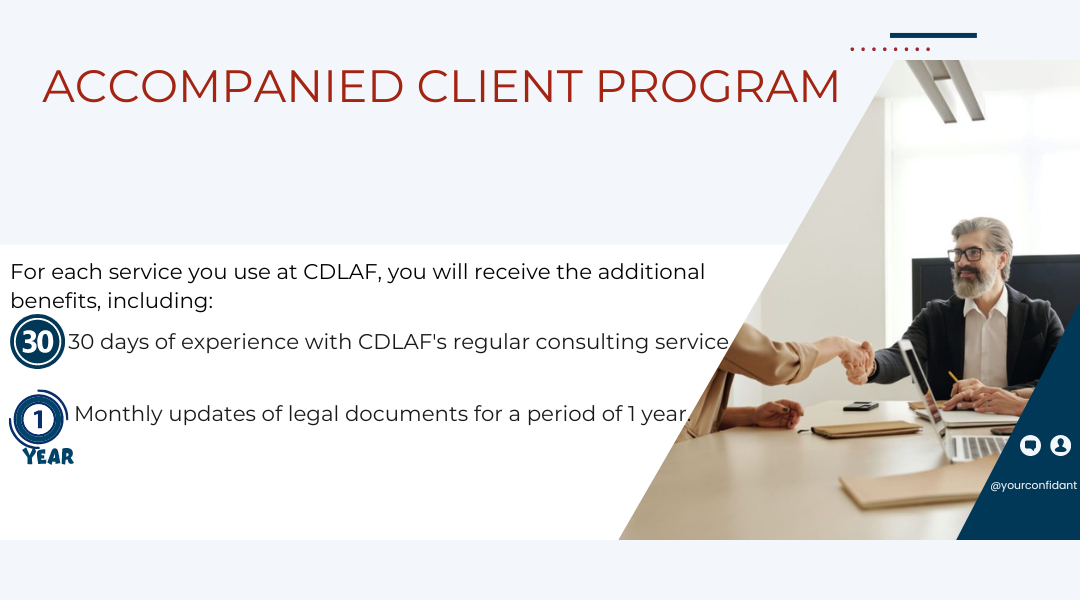
Why choose CDLAF’s service?
- We provide effective and comprehensive legal solutions that help you save money and maintain compliance in your business;
- We continue to monitor your legal matters even after the service is completed and update you when there are any changes in the Vietnamese legal system;
- Our system of forms and processes related to labor and personnel is continuously built and updated and will be provided as soon as the customer requests it;
- As a Vietnamese law firm, we have a thorough understanding of Vietnam’s legal regulations, and grasp the psychology of employees, employers, and working methods at competent authorities;
- CDLAF’s team of lawyers has many years of experience in the field of labor and enterprises, as well as human resources and financial advisory.
- Strict information security procedures throughout the service performance and even after the service is completed.
You can refer for more information:
- Key Highlights of Circular No. 25/2025/TT-NHNN on the Opening and Use of Payment Accounts
- New Provisions under Decree No. 239/2025/ND-CP Providing Guidance on Certain Articles of the Law on Investment (Part 2)
- New Provisions under Decree No. 239/2025/ND-CP Providing Guidance on Certain Articles of the Law on Investment (Part 1)