

The procedure for adjustment of the investment project implementation location is not merely a matter of “relocating” on paper, but rather constitutes a significant amendment within the project’s lifecycle, directly affecting its legality, implementation progress, and investment efficiency.
For large-scale enterprises or foreign investors, the relocation of the project implementation site is often associated with strategic decisions such as optimizing the supply chain, expanding production, accessing a high-quality workforce, or meeting the requirements of partners and the market. However, another aspect that business owners must take into consideration is the legal framework governing the relocation of investment project sites and foreign enterprise headquarters. Accordingly, any change of location must comply with the provisions of the Law on Investment, the Law on Enterprises, tax regulations, as well as other relevant legal instruments such as environmental and land legislation, all of which collectively regulate the relocation process of the enterprise. In this article, we will first present the legal provisions governing the procedures for enterprises to change the location of their investment project implementation, which simultaneously serves as the enterprise’s headquarters. This process in Vietnam is regulated by various legal instruments – ranging from the Law on Investment, the Law on Enterprises, to other relevant legislative documents.
This article will provide a comprehensive analysis of the legal grounds, implementation procedures, required documentation, and key considerations to enable enterprises to act proactively, mitigate risks, and ensure timely completion when carrying out procedures for adjusting the location of investment projects in Vietnam.

1. Adjustment of the Investment Project Implementation Location
Pursuant to legal provisions, investors are required to carry out procedures for amending the information on the Investment Registration Certificate in the event of any change to the location of the investment project implementation.
For investment projects not subject to investment policy approval, any change in the project implementation location requires the investor to carry out procedures for amending the Investment Registration Certificate.
Step 1: Preparation of the Dossier for Adjustment of Investment Project Location
The dossier shall include:
- Application for adjustment of the investment project
- Progress report on the implementation of the investment project up to the time of the proposed adjustment of its location
- Supervision report prepared prior to the adjustment of the investment project
- Decision of the investor regarding the adjustment of the investment project, in the case of institutional investors. This includes the decision and a duly certified copy of the minutes of the meeting of the Members’ Council, General Meeting of Shareholders, General Partners, or Owner of the economic organization implementing the project concerning the adjustment, or other lawful documents as required by law
- Explanatory note and/or relevant supporting documents relating to the adjustment of the project contents:
An investment project proposal shall include: the investor or the method of selecting the investor; investment objectives; investment scale; investment capital and capital mobilization plan; location, duration, and implementation schedule; information on the current status of land use at the proposed project site and land use demand (if any); labor requirements; proposed investment incentives; anticipated impacts and socio-economic efficiency of the project; and a preliminary environmental impact assessment (if required) in accordance with the law on environmental protection. In cases where the law on construction requires the preparation of a pre-feasibility study report, the investor may submit such report in lieu of the investment project proposal.
A certified copy of documents evidencing land use rights or other lawful documentation confirming the investor’s right to use the site for project implementation, in cases where the investment project does not involve a request for State allocation of land, land lease, or approval for change of land use purpose (including a certified copy of the lease agreement for land/office serving as the registered project location, together with a certified copy of documents substantiating the lessor’s lawful authority to lease, such as the Certificate of Land Use Rights, Construction Permit, Enterprise Registration Certificate with real estate business function, or other equivalent legal instruments).
Other documents relating to the investment project and requirements on the conditions and capacity of the investor as prescribed by law (if applicable).
Step 2: Submission of the dossier to the competent authority
- Submit 01 set of the dossier to the Investment Registration Authority at the location of the project.
- The Investment Registration Authority shall review and process the application within 10 working days.
Within 10 days from the date of receipt of a valid dossier, the Investment Registration Authority shall amend the Investment Registration Certificate for the investor.
2. Adjustment of the enterprise’s head office address
Step 1: In cases where the change of the enterprise’s head office address results in a change of the tax authority responsible for the taxpayer, the enterprise is required to complete the relocation-related procedures with the tax authority in accordance with tax law prior to registering the head office address change with the provincial business registration authority. The sequence and procedures shall be carried out in accordance with the provisions of tax law.
Step 2: Preparation of the dossier for adjustment of enterprise registration details
Submit one set of the dossier to the Provincial Business Registration Office, including:
- Application for amendment of enterprise registration information
- List of beneficial owners (in the case of companies established before July 1, 2025, that have not yet declared their beneficial owners)
- A certified copy or the original of the resolution or decision of the company owner in the case of a single-member limited liability company; of the Members’ Council in the case of a multi-member limited liability company or partnership; or of the General Meeting of Shareholders in the case of a joint-stock company, regarding the change of the enterprise’s head office address.
- Power of attorney authorizing the person to carry out the enterprise registration amendment procedures
Within three working days from the date of receipt of the enterprise registration dossier, the provincial business registration authority shall examine the validity of the dossier and issue the Enterprise Registration Certificate to the enterprise in accordance with the law; in cases where the dossier is not valid, the provincial business registration authority shall notify the enterprise in writing of the content that needs to be amended or supplemented.
3. Essential Legal Considerations
In reality, the adjustment of an investment project’s implementation site or the enterprise’s head office involves more than simply updating the information on the license, as the submission and approval process represents only an administrative formality. Enterprises must simultaneously assess multiple legal requirements to ensure that their operations are not interrupted and that they remain eligible to conduct business at the new location, particularly in the case of manufacturing enterprises. Therefore, based on extensive experience in handling investment projects for various enterprises, CDLAF always recommends that businesses take note of the following key points when considering a change of location:
It must be ensured that the enterprise meets all requirements to conduct business at the new location
Depending on the sector, scale of operations, local regulations, and public order and security considerations, certain areas may impose restrictions on or prohibit the operation of specific industries or enterprises. It should be noted that we are referring here to the ability to conduct actual business operations. While an enterprise may have multiple business lines, it will have a principal line of business, understood as its main operational activity. Therefore, the enterprise must verify environmental requirements, public order and security regulations, as well as local planning, to ensure that its operations at the new location are permitted.
The enterprise will also need to ascertain whether the land use rights and assets intended for lease are suitable for the current use and the enterprise’s business and production purposes. This includes verifying the lessor’s legal capacity, the right to lease, and all accompanying legal documentation related to the leased property. Any missing or incomplete information may prevent the enterprise from conducting a thorough assessment of the legal safety of the intended property, potentially causing interruptions in the application process.
Identifying the Obligation to Harmonize Adjustments Across Related Licenses
Changing the project location may necessitate adjustments to multiple types of licenses, including the Environmental Permit, Construction Permit, Fire Prevention and Fighting Permit, or other industry-specific licenses. Therefore, enterprises should anticipate these issues in advance to ensure proper preparation.
Tax incentives for enterprises
Enterprises are entitled to investment-related tax incentives, such as tax exemptions or reductions for a specified period, if their operations are located in designated incentive areas. In cases where an enterprise is already benefiting from such incentives, it is crucial to assess whether relocating to a new site will affect these benefits and to identify measures to mitigate any potential impact. These considerations should be carefully evaluated before entering into a deposit agreement or lease contract for the new location.
Review of the Enterprise’s Internal Documents Related to Licenses
The adjustment dossier must maintain absolute consistency among the Investment Registration Certificate, the Enterprise Registration Certificate, subsidiary licenses, and the information contained in contracts and tax reports. In addition, the enterprise must ensure that all required investment reports have been duly submitted. Even a minor legal discrepancy may result in the registration authority refusing the application or requesting multiple amendments, leading to wasted time and increased costs.
The procedure for adjusting the investment project location and the enterprise’s head office is not merely a matter of updating information; it constitutes a critical step in the legal governance of the entire project. Each decision to change the project location entails a series of legal obligations and directly impacts investment incentives, contractual relationships, implementation timelines, as well as the enterprise’s long-term business strategy. With extensive experience advising numerous FDI projects and large enterprises in Vietnam, CDLAF is committed to supporting you throughout the entire process—from assessing the legal status of the new location, reviewing legal and financial impacts, to preparing the dossier, representing you before competent authorities, and ensuring that the entire procedure is executed efficiently, accurately, and in full compliance with the law.
Time of writing: 15/08/2025
The article contains general information which is of reference value, in case you want to receive legal opinions on issues you need clarification on, please get in touch with our Lawyer at info@cdlaf.vn
Why choose CDLAF’s service?
- We provide effective and comprehensive legal solutions that help you save money and maintain compliance in your business;
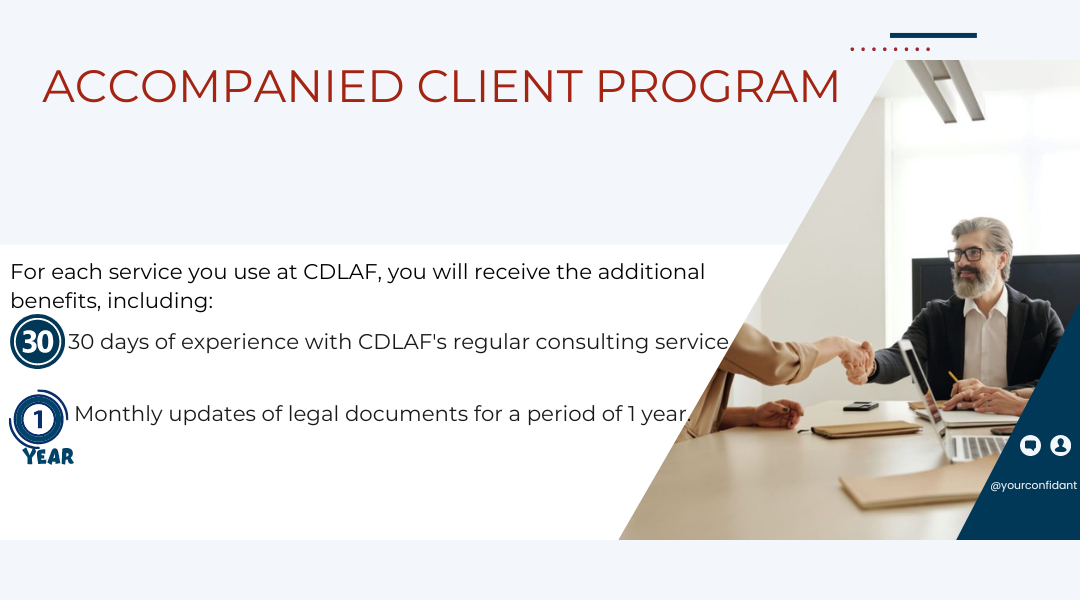
- We continue to monitor your legal matters even after the service is completed and update you when there are any changes in the Vietnamese legal system;
- Our system of forms and processes related to labor and personnel is continuously built and updated and will be provided as soon as the customer requests it;
- As a Vietnamese law firm, we have a thorough understanding of Vietnam’s legal regulations, and grasp the psychology of employees, employers, and working methods at competent authorities;
- CDLAF’s team of lawyers has many years of experience in the field of labor and enterprises, as well as human resources and financial advisory.
- Strict information security procedures throughout the service performance and even after the service is completed.
You can refer for more information: