

Author:
- Nguyen Thi Huyen Anh – Senior Associate
- Tran Nguyen Phuong Thanh – Paralegal
In the course of business operations, some enterprises choose to enter into service contracts with foreign individuals instead of labor contracts. This partly stems from the fact that recruitment regulations, or the initial administrative procedures for foreign workers, are relatively more complex than those for Vietnamese workers. However, under labor law, determining whether a labor relationship exists between the parties is not based on the name of the contract; therefore, even if the contract is titled a service contract and its terms are drafted to reflect a service arrangement, the relationship may still be deemed an employment relationship. In reality, recruiting and executing administrative procedures for foreign workers in Vietnam is not overly complicated if enterprises clearly understand the initial legal procedural regulations; the article below will provide further guidance on this issue.

1. Explanation of the need to employ foreign workers
Before recruiting foreign workers to work in Vietnam under employment contracts (“EC”) for positions such as managers, executives, experts, and technical workers in accordance with Article 3 of Decree 219/2025/ND-CP, employers (“Employers”) must explain their demand for foreign workers. Currently, the procedure for explaining the need to employ FW is not an independent procedure but is conducted simultaneously with the work permit application procedure (“WP”).
However, please note:
- Enterprises may only recruit foreign workers for managerial, executive, expert, and technical positions that Vietnamese workers cannot yet fulfill to meet operational and business demands.
- At least 05 days before submitting the explanation of the demand for foreign workers, employers must announce the recruitment of Vietnamese workers for these positions on the Portal of the competent authority or the provincial/municipal Employment Service Center.
The recruitment notice must contain basic information about the job position (specifically, the field of work); form of employment; workplace location; employment term; and professional qualifications or technical expertise (if any)
2. Applying for a Work Permit for foreign workers before they commence work
Foreign workers working in Vietnam must possess a work permit issued by a competent Vietnamese authority, except for cases eligible for work permit exemption pursuant to Article 7 of Decree 219/2025/ND-CP. Accordingly, work permit exemption cases may generally be categorized into the following main groups:
- Owners, capital-contributing members, the Chairperson of the Board of Directors, or members of the Board of Directors who meet the statutory capital contribution thresholds;
- Workers engaged in intra-corporate transfers within the service sectors under Vietnam’s commitments to the WTO;
- Foreign workers working in Vietnam for a short-term period;
- Experts, managers, and technical workers entering Vietnam to provide services, resolve technical incidents, or perform specific professional tasks;
- Foreign lawyers who have been licensed to practice in Vietnam; and other cases under international treaties or specific provisions of Vietnamese law.
To strictly comply with legal regulations, before the foreign worker commences employment, the employer must, depending on the specific case, to prepare the appropriate dossier. If the foreign worker is subject to a work permit, the employer prepares a dossier for the issuance of a work permit under Decree 219/2025/ND-CP. If the foreign worker is exempt from a work permit, the employer prepares a dossier requesting a certificate of work permit exemption. These dossiers are submitted to the local Public Administration Service Center where the foreign worker is expected to work.
Compliance with this regulation is mandatory, as any act of employing foreign workers without a work permit leads to severe legal consequences under Article 153 of the Labor Code. Specifically, the worker will be required to leave or be deported from Vietnam by functional authorities. Concurrently, the employer may be subject to administrative penalties.
3. Work Permit Extension
At least 10 days but no more than 45 days prior to the expiration of the work permit, the employer shall submit an application for work permit extension to the local Public Administration Service Center where the foreign worker is working. This application may be submitted directly, via public postal services, through authorized service providers, or through authorization.
Note: For foreign workers working under employment contracts, after the work permit is extended, the employer and the foreign worker must sign a written employment contract in accordance with Vietnamese labor law before the date on which the employee resumes work for the employer.
4. Revocation and return of Work Permits and certificates of exemption
Employers are responsible for recovering and returning the work permit or the certificate of work permit exemption to the issuing authority within 15 days from the date these documents expire or from the time the worker ceases employment with the enterprise.
5. Signing and executing Employment Contracts in compliance with the law
The term of an employment contract for a foreign worker in Vietnam must not exceed the duration of the work permit. When employing foreign workers in Vietnam, both parties may agree to enter into multiple fixed-term employment contracts. Upon request, the employer must send a copy of the signed employment contract to the competent authority that issued the work permit. Employers are responsible for ensuring the rights and working conditions of foreign workers in accordance with Vietnamese labor law.
6. Responsibilities regarding insurance and taxes
Regarding Social Insurance
Employees who are foreign citizens working in Vietnam are subject to mandatory social insurance and health insurance when working under fixed-term employment contracts with a duration of 12 months or more with an employer in Vietnam, excluding the following cases:
- Intra-corporate transferees as per regulations on foreign workers working in Vietnam;
- Reaching the statutory retirement age at the time of entering into the employment contract;
- International treaties to which Vietnam is a member stipulate otherwise.
Foreign workers working in Vietnam are subject to the following mandatory social insurance regimes: sickness; maternity; occupational accident and disease insurance; retirement and survivorship. Regarding social insurance and health insurance contribution rates, enterprises and foreign workers are subject to contribution rates similar to those applicable to Vietnamese employees; the only difference is that foreign workers are not subject to unemployment insurance.
Tax Obligations
Employers are responsible for performing obligations related to personal income tax (“PIT”) for foreign workers as prescribed by tax laws, including:
- Deducting PIT before paying income to the worker according to the applicable tax schedule (resident or non-resident individual);
- Declaring and paying PIT on behalf of the worker periodically (monthly or quarterly);
- Issuing tax deduction certificates to the worker as prescribed;
- Performing PIT finalization on behalf of the worker if the worker qualifies for authorization.
For foreign individuals identified as residents in Vietnam (present for 183 days or more in a calendar year or within 12 consecutive months from the first date of arrival in Vietnam), taxable income comprises income arising inside and outside the Vietnamese territory, regardless of the place where the income is paid.
In cases where the worker is ineligible for authorization or has specific requests, the individual may directly finalize taxes with the tax authority in accordance with Decree 126/2020/ND-CP.
In summary, the employment of foreign workers in Vietnam requires employers to fully comply with statutory conditions, procedures, and legal obligations under current regulations, particularly the 2019 Labor Code and Decree 219/2025/ND-CP. Amidst legal policy changes aimed at simplifying procedures while enhancing compliance responsibilities, enterprises must regularly review and update regulations to minimize legal risks during the employment of foreign workers.
Time of writing: May 08, 2026
The article contains general information which is of reference value. In case you want to receive legal opinions on issues you need clarification on, please get in touch with our Lawyer at info@cdlaf.vn
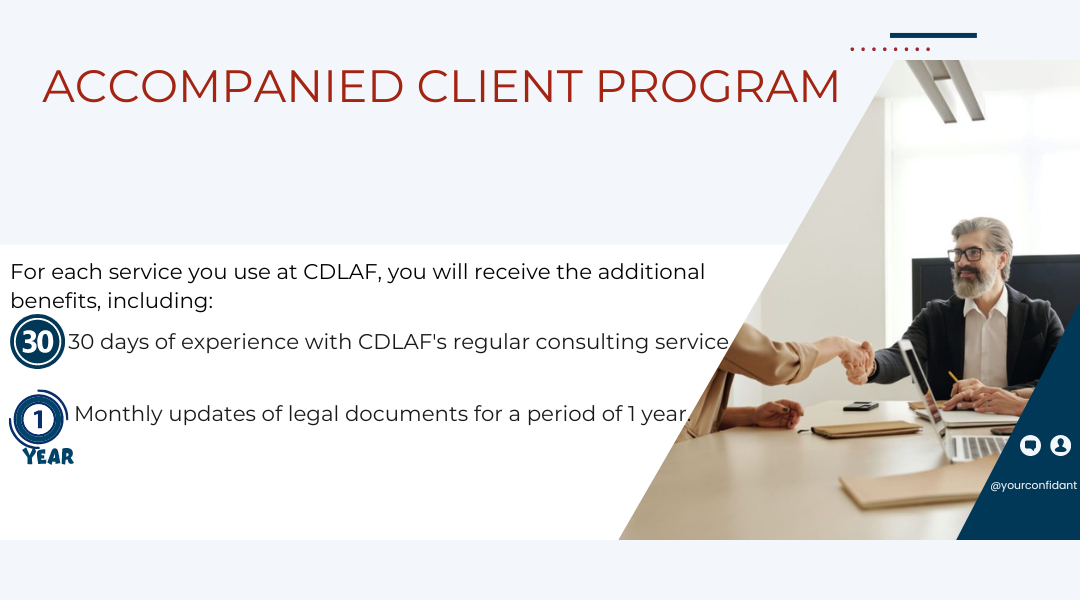
Why choose CDLAF’s service?
- We provide effective and comprehensive legal solutions that help you save money and maintain compliance in your business;
- We continue to monitor your legal matters even after the service is completed and update you when there are any changes in the Vietnamese legal system;
- Our system of forms and processes related to labor and personnel is continuously built and updated and will be provided as soon as the customer requests it;
- As a Vietnamese law firm, we have a thorough understanding of Vietnam’s legal regulations, and grasp the psychology of employees, employers, and working methods at competent authorities;
- CDLAF’s team of lawyers has many years of experience in the field of labor and enterprises, as well as human resources and financial advisory.
- Strict information security procedures throughout the service performance and even after the service is completed.
You can refer for more information:
- Is it Mandatory for Enterprises to Appoint Personal Data Protection Personnel?
- How Does the Draft Decree on Administrative Sanctions for Personal Data Violations Regulate Acts and Penalties? (Part 2)
- How Does the Draft Decree on Administrative Sanctions for Personal Data Violations Regulate Acts and Penalties? (Part 1)
- Capital Contribution Errors: Losing The Right To Become A Member Or Shareholder Due To Misunderstanding The Nature Of The Transaction
- Transactions With Related Parties And Conditions For Validity