

In the context of deep economic integration, transactions in foreign currency are becoming increasingly common among enterprises—particularly foreign direct invested (FDI), multi-national groups, or Vietnamese companies engaged in import–export, loans, and technology transfer with foreign partners. However, Vietnamese law still maintains a strict regime for foreign exchange management to ensure national monetary stability, control capital flows, and prevent risks such as money laundering and transfer pricing. The questions are: Are enterprises allowed to make payments, sign contracts, or perform obligations in foreign currencies within Vietnam’s territory? If yes, in which cases does the law permit this—and in which cases would it be deemed a violation of foreign exchange regulations?
This article answers those questions and also shares how the judicial authorities have approached disputes over benefits arising from using foreign currency as the transaction medium.

1. Are enterprises free to use foreign currency within Vietnam?
Enterprises are not free to use foreign currency as the transaction medium—including for pricing, unit pricing, conversion, or payment—in business activities conducted in Vietnam. Enterprises may only use foreign currency for transactions in certain cases permitted by law; the same rule applies to individuals. This means that even as an individual, you are subject to the same restrictions on foreign currency use as mentioned above; there is no difference whether you are an individual or an organization, or whether you have a business registration.
A common source of confusion is that, in practice, many quotations and contracts in USD appear publicly on the market. This often leads people to assume that using foreign currency is permitted or somehow “tacitly recognized”.
2. Cases permitted to use foreign currency in the territory of Vietnam
As noted, individuals and organizations may not freely use foreign currency. Aside from state bodies, banks, credit institutions, or other organizations licensed to provide foreign exchange services, use of foreign currency must fall into one of the following cases:
- A resident organization with status of a juridical person may transfer internal capital in foreign currency by bank transfer between its own account and the account of its dependent unit without status of a juridical person, and vice versa.
- Residents may contribute capital in foreign currency by bank transfer to implement foreign-invested projects in Vietnam.
- A resident performing entrusted import or export contracts, specifically: A resident entrusted to import may state prices in foreign currency in the entrusted import contract and receive payment in foreign currency by bank transfer from the entrusting party for the contract value; A resident entrusted to export may state prices in foreign currency in the entrusted export contract and make or receive payment in foreign currency by bank transfer for the contract value with the entrusting party.
- Residents who are domestic or foreign contractors may use foreign currency in Vietnam as follows: For offshore-related expenses under packages conducted through international bidding in accordance with the Law on Bidding: contractors may quote and receive payment in foreign currency by bank transfer from investors or main contractors for disbursement and remittance abroad; For packages conducted under the Law on Petroleum: contractors may quote and receive payment in foreign currency by bank transfer from investors or main contractors for disbursement and remittance abroad.
- Residents who are insurance enterprises may use foreign currency in the following cases: Quote, value, and state the price of insurance services in foreign currency in contracts and receive payment in foreign currency by bank transfer from the policyholder for goods and services that must be reinsured abroad; In case of loss involving reinsurance abroad, the resident organization purchasing insurance may receive indemnity in foreign currency by bank transfer from the foreign reinsurer through the insurance enterprise to pay loss-recovery expenses abroad.
- Residents who are duty-free enterprises may list prices of goods in foreign currency and receive payment in foreign currency (by bank transfer or cash) for the supply of goods. The use of foreign currency in transactions at duty-free shops shall comply with the provisions of the law on duty-free trading.
- Residents who are service providers in isolated zones at international border gates or operators of bonded warehouses may list, quote, value, and state prices in contracts in foreign currency and receive payment in foreign currency (by bank transfer or cash) for the supply of goods and services.
- Residents acting as agents for foreign carriers, under agency contracts between both parties, may: Quote, value, and state prices in foreign currency in the contract on behalf of the foreign carrier for international freight charges However, payment must be made in Vietnamese Dong; Disburse foreign currency by bank transfer to pay for goods and services at international seaports and isolated zones at international airports; Disburse foreign currency in cash to pay salaries, bonuses, and allowances to non-residents authorized by foreign shipping lines.
- Residents who are export processing enterprises (EPEs) may use foreign currency as follows: May state prices in contracts and make payments in foreign currency by bank transfer when purchasing goods from the domestic market for manufacturing, processing, recycling, or assembling exports or for export, except for prohibited goods. Domestic enterprises may quote, state prices and receive payment in foreign currency by bank transfer when selling goods to EPEs; May quote, value, and state prices in contracts and make/receive payment in foreign currency by bank transfer with other EPEs.
- Residents engaged in air transport, hotels, and tourism may list and advertise goods and service prices in Vietnamese Dong and the equivalent foreign currency on websites or specialized publications (excluding menus and posted price lists) written solely in foreign languages.
- Residents and non-residents who are organizations may agree to pay salaries, bonuses, and allowances in labor contracts in foreign currency (by bank transfer or cash) to non-residents and resident foreigners working for such organizations.
- Non-residents (who do not qualify as resident individuals in Vietnam, such as foreign companies or investors) may use foreign currency in the following cases:
- Transfer foreign currency by bank transfer to other non-residents;
- State prices in contracts and make payments for the export of goods and services in foreign currency by bank transfer to residents. Residents may quote and receive payment in foreign currency by bank transfer when supplying goods or services to non-residents.
- Foreign investors may make deposits or escrow in foreign currency by bank transfer when participating in auctions in the following cases: (i) Purchasing shares in state-owned enterprises undergoing equitization as approved by the Prime Minister; (ii) Purchasing shares or state capital contributions in SOEs or state-invested enterprises undergoing capital divestment as approved by the Prime Minister; (iii) Purchasing shares or capital contributions held by SOEs in other enterprises undergoing divestment as approved by the Prime Minister.
3. Are “foreign-exchange difference” arrangements recognized?
In some cases, to protect economic interests, enterprises privately agree on mechanisms to cushion foreign-exchange fluctuations so their benefits are not adversely affected. Given today’s integration context—where economic activities are influenced by currency movements—many enterprises adopt such non-public side arrangements.
However, if transactions later sour, disputes may arise. One party may ask the courts to award the difference based on foreign-currency unit pricing, or ask the court to accept a lower value than what the contract records if the foreign currency has depreciated. If using foreign currency does not fall within the permitted cases above, such arrangements lack legal basis and the foreign-currency clause will be deemed invalid for violating a statutory prohibition (i.e., unauthorized use of foreign currency).
Enterprises may only use foreign currency in specific cases permitted by the State Bank of Vietnam, and must do so via lawful foreign-currency accounts at licensed credit institutions. Listing prices, contracting, or paying in foreign currency for domestic transactions outside the exceptions constitutes a violation of foreign-exchange management rules and can lead to serious legal consequences, including administrative penalties or a declaration that the contract is void.
Time of writing: 24/10/2025
The article contains general information which is of reference value, in case you want to receive legal opinions on issues you need clarification on, please get in touch with our Lawyer at info@cdlaf.vn
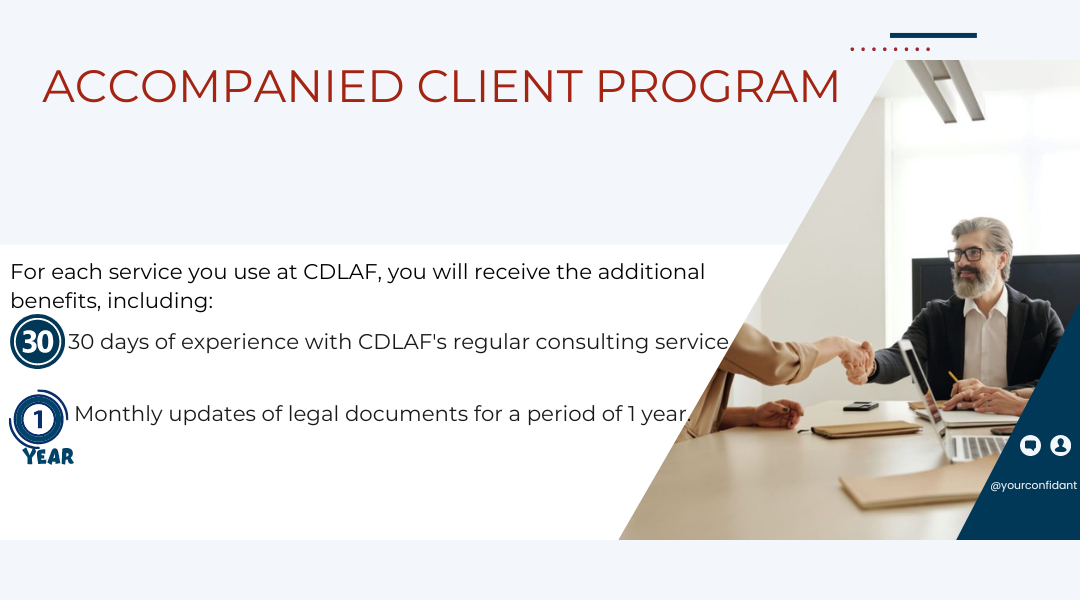
Why choose CDLAF’s service?
- We provide effective and comprehensive legal solutions that help you save money and maintain compliance in your business;
- We continue to monitor your legal matters even after the service is completed and update you when there are any changes in the Vietnamese legal system;
- Our system of forms and processes related to labor and personnel is continuously built and updated and will be provided as soon as the customer requests it;
- As a Vietnamese law firm, we have a thorough understanding of Vietnam’s legal regulations, and grasp the psychology of employees, employers, and working methods at competent authorities;
- CDLAF’s team of lawyers has many years of experience in the field of labor and enterprises, as well as human resources and financial advisory.
- Strict information security procedures throughout the service performance and even after the service is completed.
You can refer for more information:
- Discussion on the form of capital contribution by management experience in enterprises
- Why must enterprises protect employees’ personal information?
- Analysis of the roles and responsibilities of the parties involved in data processing under Vietnamese law
- Sensitive Data: What your business might be handling without knowing it
- Key considerations for Enterprises for Private placement of Shares
- New Provisions under the Corporate Income Tax Law effective from October 1, 2025